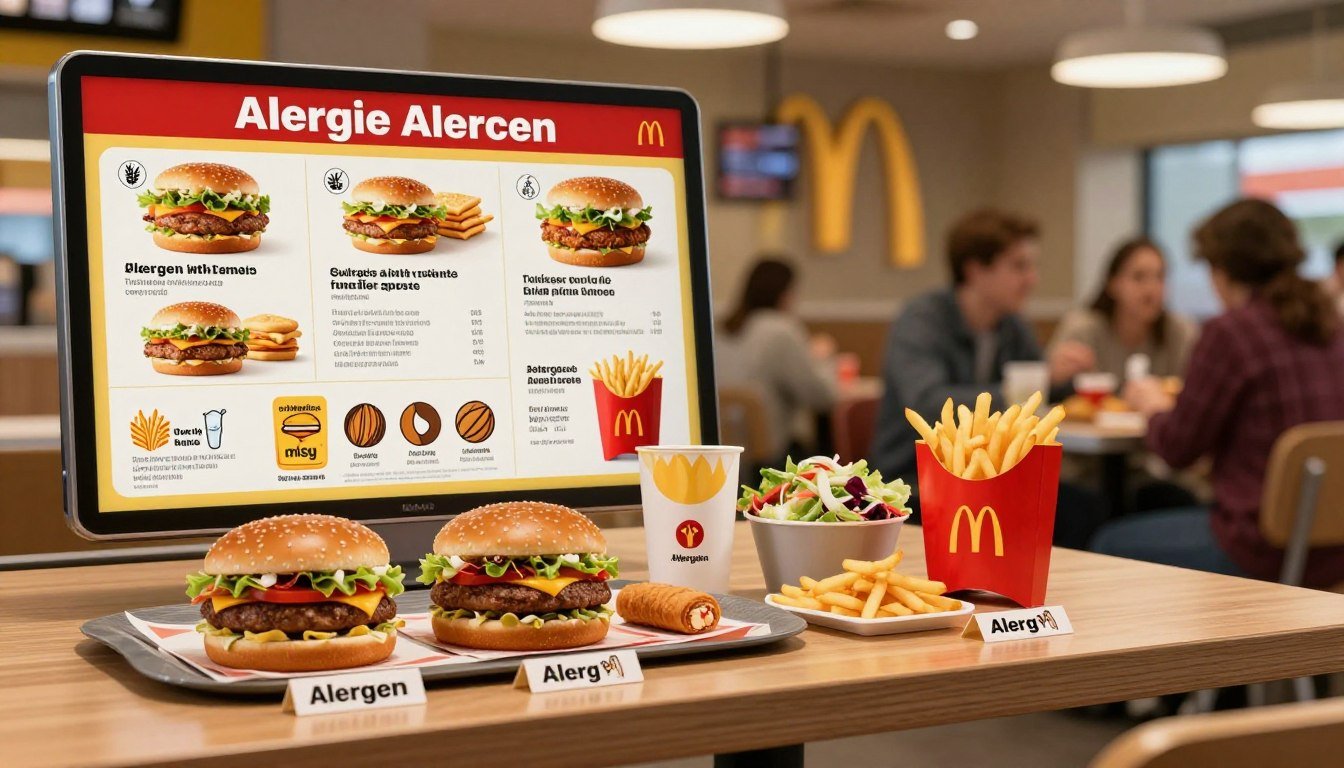
McDonald’s Allergen Menu: Find Safe Meal Choices
For individuals with food allergies, dining out can be a daunting task. Knowing what to eat is crucial to avoiding potentially life-threatening reactions. McDonald’s, a popular fast-food chain, provides an allergen menu to help customers make informed choices.
This article will guide you through McDonald’s allergen information, helping you identify safe meal options. By understanding what’s in your meal, you can enjoy McDonald’s while keeping your dietary restrictions in mind.
Key Takeaways
- Understanding the importance of McDonald’s allergen menu for safe dining.
- Learning how to navigate McDonald’s allergen information.
- Identifying safe meal choices at McDonald’s.
- Gaining confidence in making informed food choices.
- Enjoying McDonald’s while managing dietary restrictions.
The Challenge of Dining Out with Food Allergies
Dining out can be a daunting task for individuals with food allergies, as it requires careful consideration of menu options and kitchen practices. For many, the fear of an allergic reaction can be overwhelming, making it essential to be informed about the food they eat.
Common Food Allergies and Their Prevalence
Food allergies are more common than many people realize. The most prevalent allergies include peanuts, tree nuts, milk, eggs, fish, shellfish, wheat, and soy. According to recent studies, approximately 8% of children and 11% of adults in the United States suffer from some form of food allergy. Understanding these common allergens is crucial for individuals who need to avoid them.
Risks and Concerns When Eating at Fast Food Restaurants
Eating at fast food restaurants like McDonald’s can be particularly challenging for those with food allergies. The risk of cross-contamination is high in fast-paced kitchen environments where multiple ingredients are handled. Moreover, menu items often contain hidden allergens, making it difficult for consumers to make safe choices. It’s essential for individuals with food allergies to be aware of these risks and to communicate effectively with restaurant staff to minimize their exposure to potential allergens.
McDonald’s Allergen Menu and Resources
McDonald’s provides several resources for customers with food allergies, making it easier to dine safely. The company understands the importance of allergen information and has made significant efforts to provide this data to customers.
How to Access the Official McDonald’s Allergen Menu
Customers can access McDonald’s allergen menu through their official website. By navigating to the nutrition and ingredients section, individuals can find detailed information about the allergens present in their menu items. This resource is particularly useful for those who want to plan their meals in advance.
Using the McDonald’s App for Allergen Information
The McDonald’s app offers a convenient way to access allergen information on-the-go. By using the app, customers can view the allergen menu, check ingredient lists, and even find nutrition information. This feature is especially helpful for those who are always on the move and need quick access to dietary information.
Understanding McDonald’s Allergen Labeling System
McDonald’s uses a comprehensive allergen labeling system to help customers identify potential allergens in their food. The system clearly indicates the presence of common allergens such as milk, eggs, wheat, soy, fish, tree nuts, peanuts, and shellfish. By understanding this labeling system, customers can make informed decisions about their meal choices.
McDonald’s Food Allergy Policy and Practices
The company has established a robust food allergy policy to ensure customer safety. McDonald’s recognizes the importance of providing a safe dining experience for customers with food allergies.
Official Stance on Food Allergies
McDonald’s takes food allergies seriously and has implemented various measures to accommodate customers with dietary restrictions. Their official stance emphasizes the importance of customer safety and transparency regarding food ingredients.
Cross-Contamination Risks in McDonald’s Kitchens
Despite best efforts, cross-contamination can occur in McDonald’s kitchens. The company acknowledges this risk and provides guidance on their website and through their customer service channels.
Ingredient Sourcing and Potential Changes
McDonald’s continually reviews and updates their ingredient sourcing to ensure compliance with food safety regulations. Customers are advised to check the company’s website for the most current allergen information, as ingredients and preparation methods can change.
By understanding McDonald’s food allergy policy and practices, customers with dietary restrictions can make informed choices when dining at their restaurants.
Navigating the Big 8 Allergens at McDonald’s
Understanding the Big 8 allergens is crucial for individuals with food allergies who want to dine safely at McDonald’s. The Big 8 allergens are milk, eggs, wheat, soy, fish, tree nuts, peanuts, and sesame, which are commonly found in various McDonald’s menu items.
Milk and Dairy Products
Milk and dairy products are prevalent in McDonald’s menu items, including burgers, salads, and desserts. The Big Mac and McFlurry are examples of items containing milk or dairy derivatives.
Eggs and Egg-Containing Items
Eggs are a common ingredient in McDonald’s breakfast items, such as the Egg McMuffin and Hotcakes. Eggs are also used in some sauces and dressings.
Wheat, Gluten, and Grain Concerns
Wheat is a primary ingredient in McDonald’s bread products, including buns and sandwiches. For those with gluten intolerance, options like the Grilled Chicken Sandwich (without the bun) can be considered.
Soy-Based Ingredients
Soy is used in various McDonald’s menu items, including sauces and milkshakes. It’s essential to check the ingredient list for soy-based products.
Fish and Shellfish Allergens
McDonald’s Filet-O-Fish sandwich contains fish, making it a concern for those with fish or shellfish allergies.
Tree Nuts and Peanut Products
Some McDonald’s menu items, like certain salads and desserts, may contain tree nuts or peanuts. It’s crucial to verify the ingredients to avoid allergic reactions.
Sesame in McDonald’s Menu Items
Sesame is used in some McDonald’s menu items, particularly in buns and bread products. Awareness of sesame presence is vital for those with sesame allergies.
By understanding the presence of these Big 8 allergens in McDonald’s menu items, individuals with food allergies can make informed choices and enjoy a safer dining experience.
Breakfast Menu Safe Choices by Allergen
Starting your day with breakfast at McDonald’s can be safe and enjoyable if you know your allergen options. McDonald’s provides detailed allergen information to help customers make informed choices.
Egg-Free Breakfast Options
For those allergic to eggs, McDonald’s offers some egg-free breakfast options. Their fruit and yogurt parfait is a safe choice, made with low-fat yogurt and granola. However, it’s essential to inform the staff about your egg allergy to avoid cross-contamination.
Dairy-Free Morning Meal Choices
Dairy-free customers can consider the oatmeal or fruit and maple oatmeal without the milk and cream. McDonald’s also offers a variety of juices and coffee drinks that are dairy-free. Always check the ingredient list or ask staff to confirm.
Gluten-Free Breakfast Possibilities
While McDonald’s doesn’t have a dedicated gluten-free kitchen, some breakfast items are gluten-free. The scrambled eggs, sausage, and bacon are naturally gluten-free, but be cautious of cross-contamination. The fruit and yogurt parfait is also gluten-free.
Multiple Allergy Considerations for Breakfast
For individuals with multiple allergies, navigating the breakfast menu requires extra caution. It’s crucial to understand the ingredients and potential cross-contamination risks. McDonald’s staff are trained to handle food allergy queries, so don’t hesitate to ask for detailed information.
| Breakfast Item | Egg-Free | Dairy-Free | Gluten-Free |
|---|---|---|---|
| Fruit and Yogurt Parfait | Yes | No | Yes |
| Oatmeal | Yes | Yes (without milk) | No |
| Scrambled Eggs | No | Yes | Yes |
| Sausage | Yes | Yes | Yes |
Lunch and Dinner Allergen-Safe Options
Customers with food allergies can still enjoy a meal at McDonald’s by choosing from a range of allergen-safe lunch and dinner options. McDonald’s provides various resources to help customers identify potential allergens in their menu items.
Burger Modifications for Various Allergies
McDonald’s burgers can be modified to accommodate different allergies. For instance, customers can request to have their burger made without the bun to avoid gluten. The beef patties themselves are free from certain allergens, but cross-contamination can occur. It’s essential to inform the staff about any allergies so they can take necessary precautions.
Chicken Products Allergen Information
McDonald’s chicken products, such as the Chicken McNuggets, contain wheat, milk, and egg. Customers with these allergies should avoid these items or request modifications when possible. The grilled chicken sandwiches can be a safer option if the bun is removed and if cooked separately.
Salads and Vegetarian Options
Salads are a viable option for those with certain dietary restrictions. However, some salad dressings and toppings may contain allergens like milk, soy, or nuts. Vegetarian options like the Grilled Chicken Sandwich (without the chicken) or salads with careful topping selection can be safe choices.
Sides and Condiments Allergen Guide
Sides like fries and hash browns contain wheat and may be cooked in the same oil as other products, risking cross-contamination. Some condiments and sauces may also contain allergens. It’s crucial to check the ingredient list or ask staff for information on specific allergens.
By being aware of these details and communicating effectively with McDonald’s staff, customers with food allergies can enjoy a safe and satisfying meal.
McDonald’s Desserts and Allergen Considerations
Understanding the allergen information for McDonald’s desserts is crucial for safe enjoyment. McDonald’s offers a variety of desserts that can be enjoyed by individuals with different dietary needs, but it’s essential to be aware of the potential allergens.
Ice Cream Products and Dairy Allergies
McDonald’s ice cream products, such as cones and sundaes, contain dairy, making them unsuitable for those with dairy allergies. It’s crucial to check the McDonald’s allergen chart to understand the ingredients and potential cross-contamination risks.
Baked Goods and Multiple Allergens
Baked goods like cookies and pies may contain multiple allergens, including wheat, eggs, and nuts. It’s vital to review the ingredient list and allergen warnings to make informed choices.
Dessert Options for Common Allergies
For individuals with common allergies, there are still dessert options available at McDonald’s. For example, some locations offer fruit-based desserts that are free from common allergens. Always verify the ingredients and preparation methods to ensure safety.
By being mindful of the ingredients and allergen considerations, individuals with food allergies can enjoy McDonald’s desserts safely. Checking the McDonald’s dessert options and their allergen information is the first step towards a safe and enjoyable dining experience.
Beverages and Potential Allergens
McDonald’s offers a variety of drinks, but for individuals with food allergies, even these seemingly simple choices can be fraught with potential allergens. Understanding what’s in these beverages is crucial for making safe choices.
Coffee Drinks and Dairy Alternatives
McDonald’s coffee drinks often contain milk and dairy products, posing a risk for those with dairy allergies. However, they offer non-dairy alternatives in some locations. It’s essential to check the ingredients or ask staff about available options.
Sodas, Juices, and Other Beverages
Sodas and juices are generally considered safe for those with common food allergies, but it’s crucial to verify ingredients. Some flavorings or additives might contain allergens. Always check the label or ask the staff.
Hidden Allergens in Drink Ingredients
Some McDonald’s beverages may contain hidden allergens like soy or tree nuts in flavorings. Being aware of these potential allergens can help you make informed choices. “Always check the ingredients or consult with McDonald’s staff to ensure your drink of choice is safe,” advises a food allergy expert.

How to Order Safely with Food Allergies at McDonald’s
Customers with food allergies can enjoy McDonald’s by being informed and communicating effectively with staff. According to McDonald’s allergy policy, customers should inform the staff about their allergies to ensure their meal is prepared safely.
Effective Communication with McDonald’s Staff
When ordering, it’s crucial to clearly communicate your food allergies to the McDonald’s staff. Inform the staff about your specific allergy and ask about the ingredients used in your chosen meal. McDonald’s staff are trained to handle such inquiries and can provide information on allergens present in their menu items.
Special Requests and Menu Modifications
McDonald’s allows for certain modifications to accommodate food allergies. For instance, you can request to have your burger prepared without a specific topping that contains an allergen. Be specific about your needs and confirm that the staff understand your request.
“If you have a food allergy, please inform our staff so we can take necessary precautions to prepare your meal safely.” – McDonald’s Official Statement
What to Do If You Experience an Allergic Reaction
If you experience an allergic reaction after consuming a meal at McDonald’s, seek medical attention immediately. Symptoms can range from mild to severe and include hives, swelling, stomach cramps, diarrhea, and difficulty breathing. It’s also a good practice to carry an EpiPen or other emergency medication if you have a history of severe allergic reactions.
By being informed and communicating effectively, customers with food allergies can safely enjoy McDonald’s menu items. Always check the McDonald’s allergen information available on their website or at the restaurant.
McDonald’s Allergen Menu Compared to Other Fast Food Chains
Comparing McDonald’s allergen menu to its competitors reveals varying levels of detail and accessibility. As consumers become more aware of food allergies, fast food chains are adapting their menus and information services to meet these needs.
How McDonald’s Allergen Information Compares to Competitors
McDonald’s provides detailed allergen information on its website and through its app, a practice that is not uniform across the fast food industry. For instance, chains like Chick-fil-A and Panera Bread also offer comprehensive allergen information, while others may only provide limited details on their menus.
A study comparing several major fast food chains found that McDonald’s was among the top performers in terms of allergen information availability and clarity. However, there’s still room for improvement, particularly in providing more detailed information about cross-contamination risks.
“As a consumer with a severe food allergy, having access to clear and comprehensive allergen information is crucial when choosing where to eat.”
Best Practices Across the Fast Food Industry
The fast food industry is adopting several best practices to improve allergen information and safety. These include:
- Providing detailed allergen information on websites and mobile apps
- Training staff on food allergy protocols and cross-contamination risks
- Offering customizable menu options to accommodate various allergies
- Implementing clear labeling for allergenic ingredients on menus
By following these best practices, fast food chains like McDonald’s can continue to improve their services for customers with food allergies, making dining out safer and more enjoyable for everyone.
Conclusion: Enjoying McDonald’s Safely with Food Allergies
McDonald’s provides various menu options for individuals with food allergies, ensuring a safe dining experience. By understanding their allergen menu and communicating effectively with staff, customers can enjoy their favorite meals without compromising their health.
McDonald’s allergy accommodations include detailed information on their menu, available through their official website and mobile app. This resource allows customers to make informed decisions about their meal choices, taking into account their specific dietary needs.
When dining at McDonald’s, it’s essential to inform the staff about any food allergies. This enables them to take necessary precautions and provide guidance on suitable menu options. By being proactive and aware of potential allergens, individuals can minimize risks and enjoy a safe meal.
By leveraging McDonald’s menu options for allergies and their commitment to accommodating customers’ needs, individuals with food allergies can confidently dine at their restaurants. This approach fosters a safe and enjoyable experience, allowing customers to appreciate the variety of McDonald’s offerings.